β--PPH Globe Valve
ویژگی های محصول: مناسب برای شرایط مختلف کار صنعتی سبک و سنگین و لوله های ساخت...

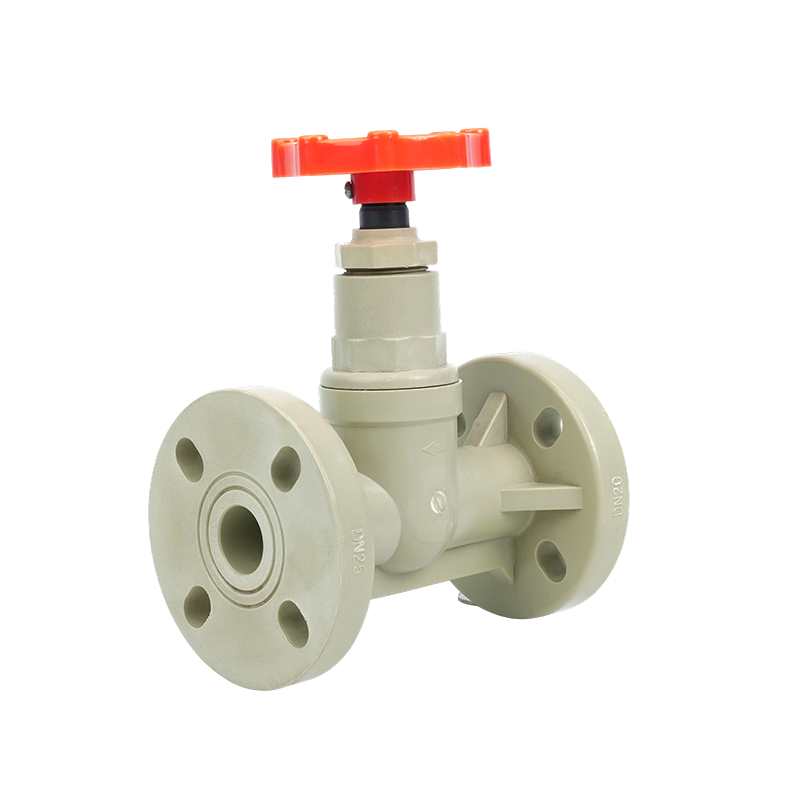
ویژگی های محصول: مناسب برای شرایط مختلف کار صنعتی سبک و سنگین و لوله های ساخت...
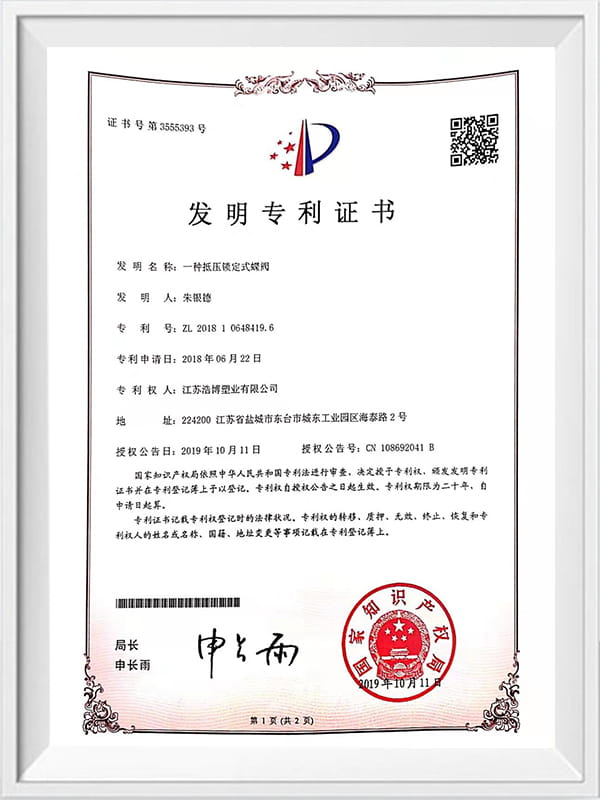
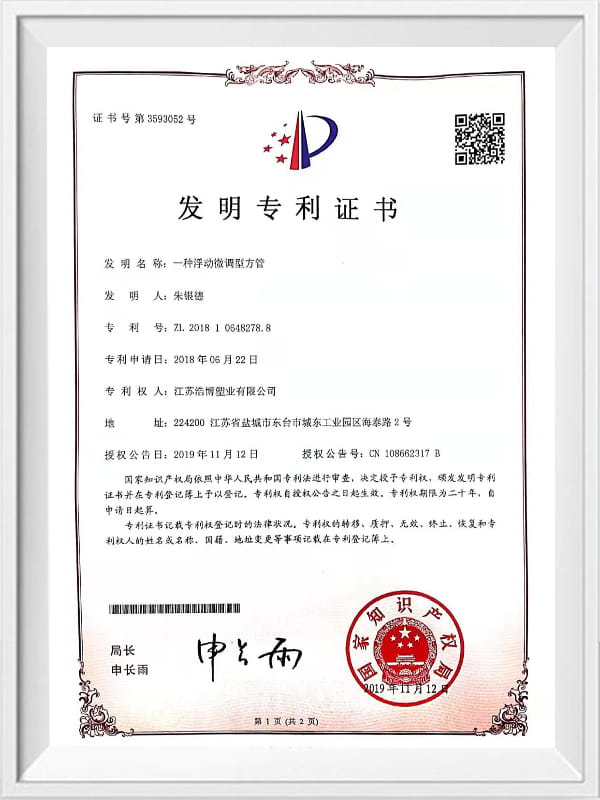
یک خدمه خاموش در یک کارخانه مواد شیمیایی قبل از راه اندازی مجدد یک کار باقی مانده بود: یک واشر نشتی را در یک شیر دوازده متری داخل یک خط PPH کاملاً جوش داده شده جایگزین کنید. برش لوله به معنای یک قرقره جدید، یک جوش جدید، یک انتظار خنک کننده و یک آزمایش فشار دوم، چهار ساعت اضافی بر اساس یک برنامه زمانی بود که هیچ چ...
نمایش بیشترخرید یک شیر توپی پلاستیکی با پرسیدن "آیا آنها را می فروشید؟" این است که چگونه پروژه ها دو بار پرداخت می کنند. چیزی که در واقع تصمیم میگیرد که آیا یک شیر توپی پلاستیکی به مدت پنج سال بیصدا کار میکند یا در سال اول از کار میافتد، مواد بدنه، الاستومر آببند و نحوه اتصال بدنه شیر به لوله است - نه قیمت واحد در برگه...
نمایش بیشتردو فیتر، یک سیم پیچ 2 عددی در لوله PVDF و یک جعبه آداپتور فلنجی DN 50. همه چیز طبق برنامه می رسد و هیچ چیز مناسب نیست: اندازه لوله 60.3 میلی متر در خارج است، در حالی که آداپتور برای قطر خارجی 50 میلی متر ماشین کاری شده است. هیچ کدام از این برچسب ها اشتباه نیست. قطعات به سادگی متعلق به دو سیستم اندازه گیری متفاوت ...
نمایش بیشتر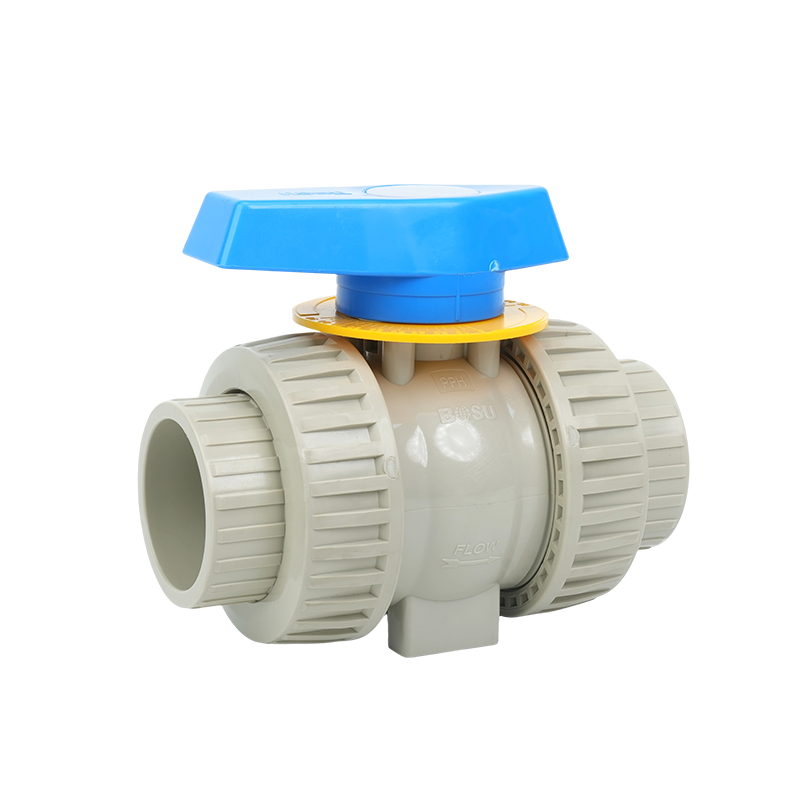
1. ویژگی های محصول: عملکرد نشانگر دسته شخصی، نصب LOGO، رسانه و غیره در پوشش ش...
نمایش بیشتر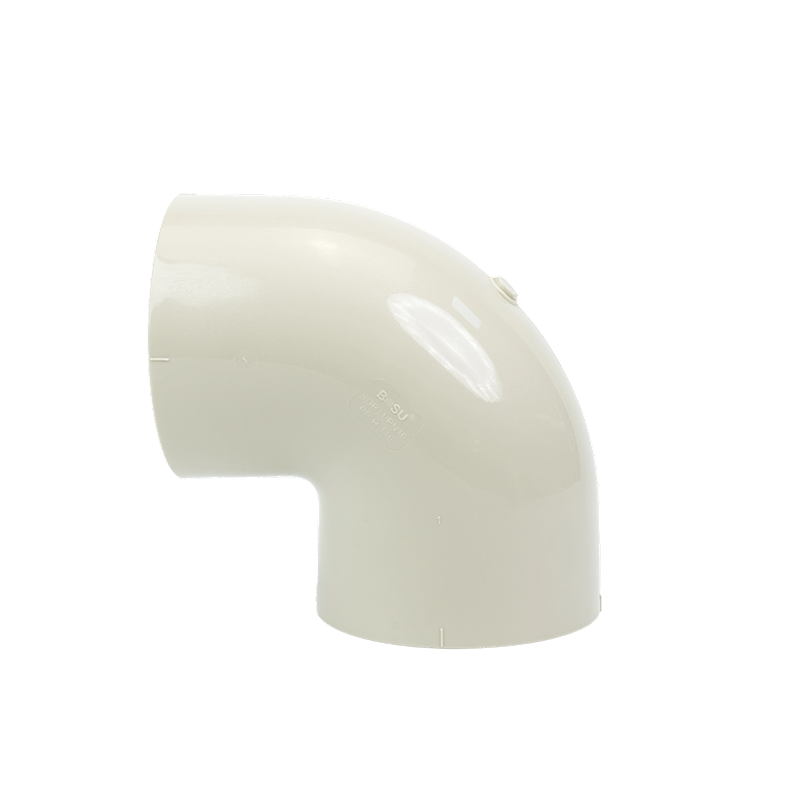
این زانویی جوشی پس از نصب ظاهری براق و با کیفیت را ارائه می دهد. مشخصات مح...
نمایش بیشتر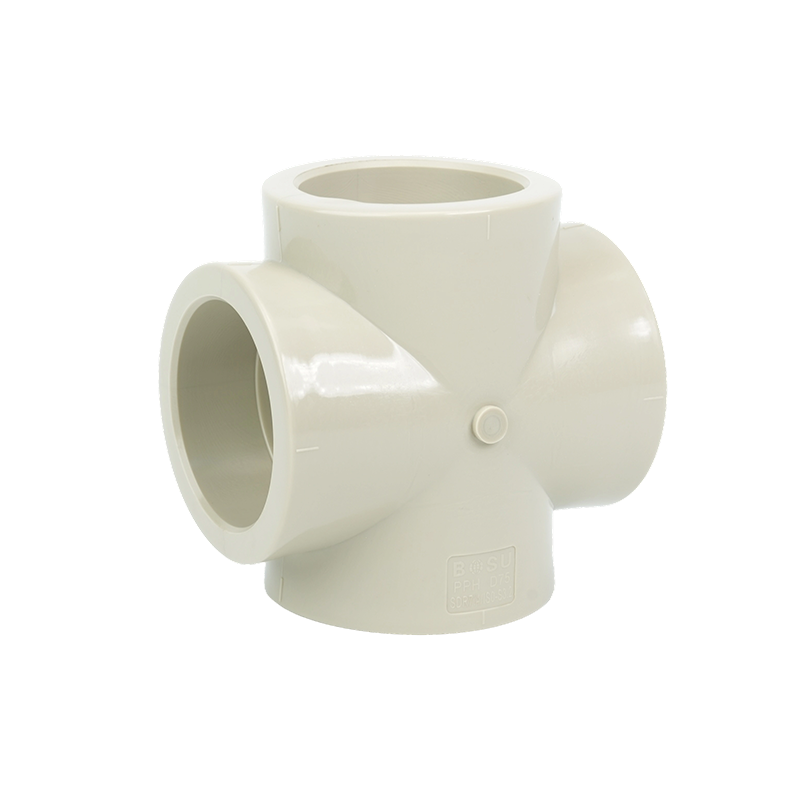
1. برای اتصال چهار لوله با قطر یکسان که عمود بر هم متقاطع می شوند استفاده می ...
نمایش بیشتر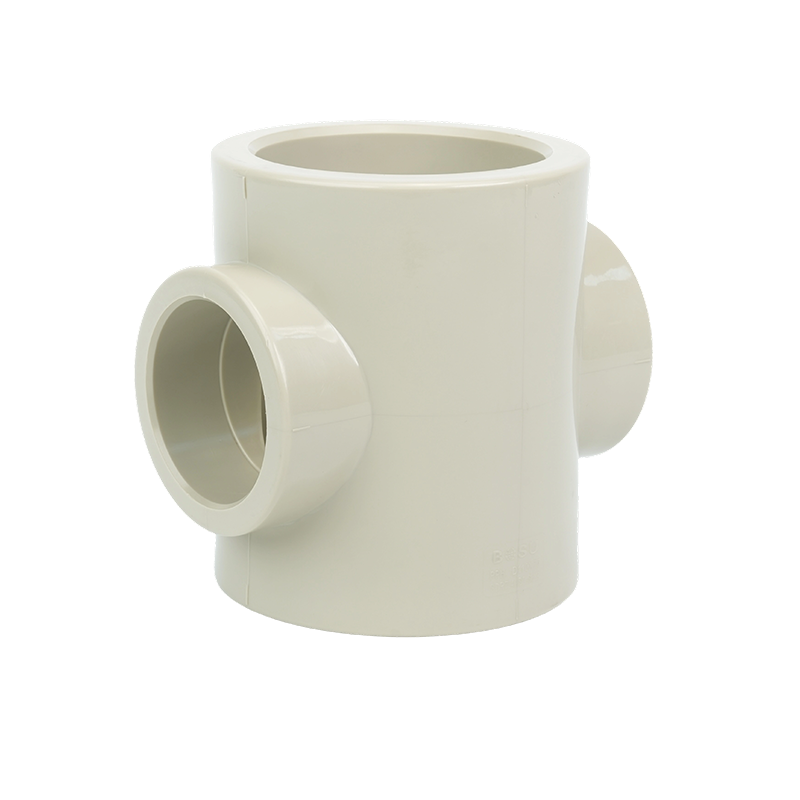
1. برای اتصال چهار لوله با قطرهای مختلف که به طور عمود بر هم متقاطع هستند ...
نمایش بیشتر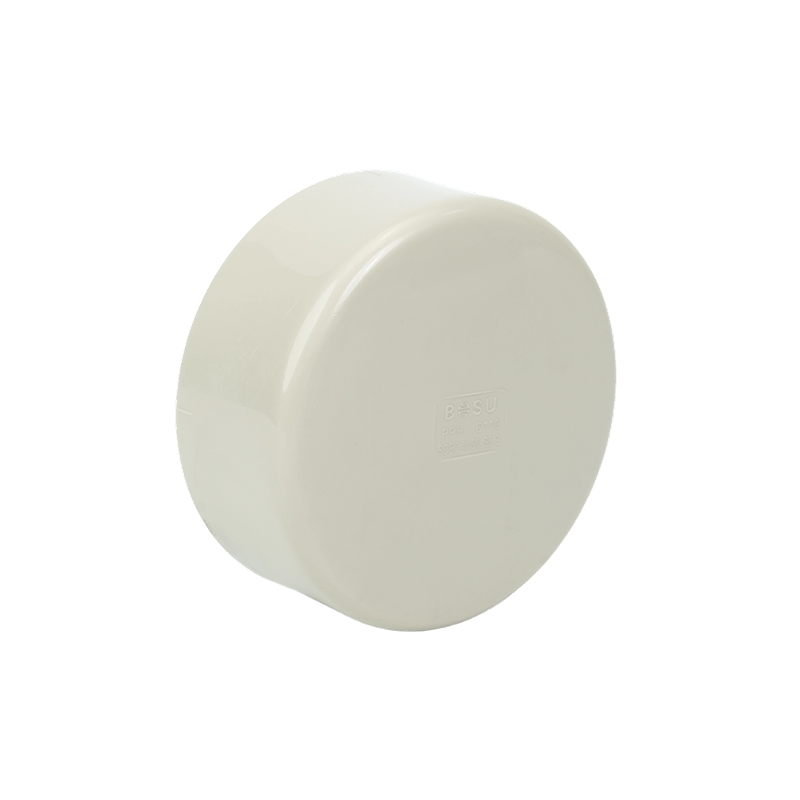
1. بادوام، مقاوم در برابر خوردگی، سبک وزن، مورد استفاده برای آب بندی خطوط لول...
نمایش بیشتر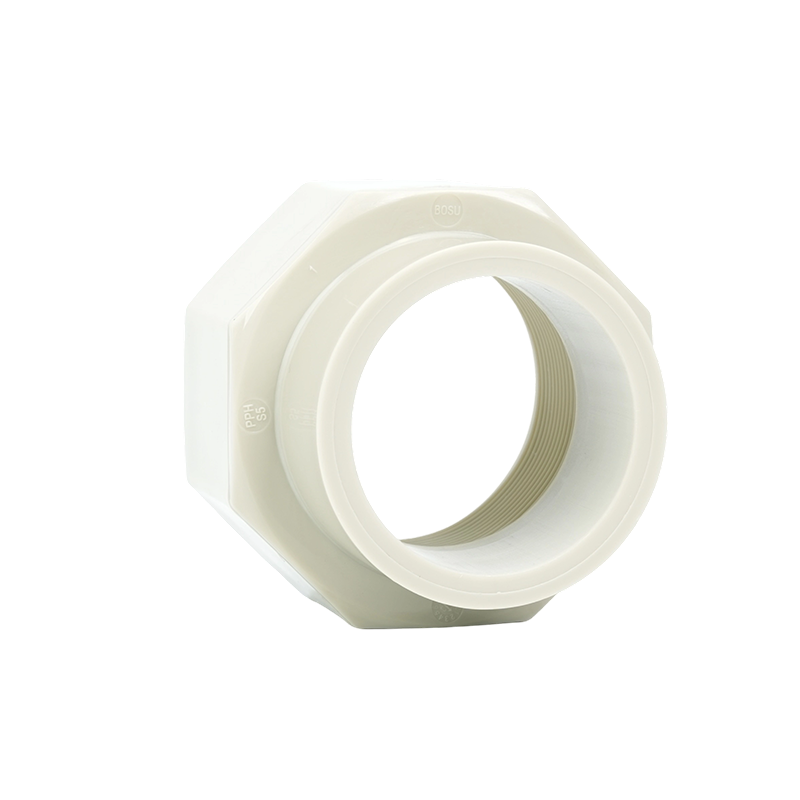
1. این محصول دارای نصب سریع، ایمن و کارآمد است. دیوارهای صاف داخلی و خارجی آن...
نمایش بیشترWhat are the advantages of Plastic Valve Series Other compared to metal valves in the chemical, food, and pharmaceutical industries?
1. Superior Corrosion Resistance: Utilizing high-molecular materials such as RPP, PVDF, ABS, and CPVC, they exhibit virtually no corrosion from acids, alkalis, salts, chlor-alkali compounds, and solvents, avoiding leaks and maintenance issues caused by corrosion, as is common in metal valves.
2. Prevention of Secondary Metal Ion Contamination: The all-plastic structure does not generate metal ions, meeting the stringent purity and hygiene requirements of the food and pharmaceutical industries, ensuring product quality is not contaminated by metal ions.
3. Lightweight and Easy Installation: Significantly lighter than metal valve bodies, making handling, installation, and maintenance easier and reducing infrastructure load.
4. Low Pressure Loss and Low Flow Resistance: The smooth surface of the high-molecular material results in low fluid resistance, improving system efficiency.
5. Good Electrical Insulation: Plastic itself is insulating, making it suitable for pharmaceutical and food production lines with stringent electrical safety requirements.
6. Cost Advantage: Material and processing costs are lower than stainless steel and alloy metal valve bodies, resulting in more competitive overall procurement and maintenance costs.
How do the sealing materials of Plastic Valve Series Other affect their service life?
1. PTFE (Polytetrafluoroethylene): Possesses excellent chemical resistance and temperature resistance (-50℃ to +150℃), maintaining sealing performance in most corrosive media, making it the "king of plastics" for valve seals. Its service life is affected by factors such as operating temperature, pressure, and lubrication conditions, but can reach 15-20 years or more under reasonable operating conditions.
2. EPDM (Ethylene Propylene Dioxide): Possesses excellent ozone resistance and aging resistance properties, with a temperature range of approximately -40℃ to +90℃. Under normal operating conditions, its service life is approximately 10-15 years. It has good resistance to acid, alkali, and salt water media.
3. FPM (Fluororubber): Combines the chemical resistance of PTFE and the elasticity of EPDM, with a temperature range of approximately -20℃ to +200℃ and a service life of 15-20 years. It is suitable for high-temperature and highly corrosive environments.
محصولات
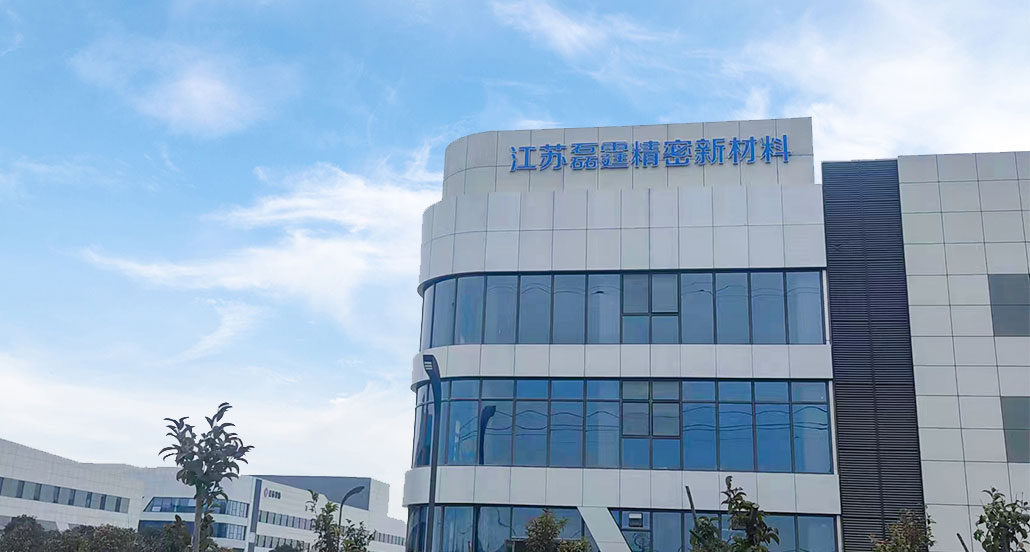
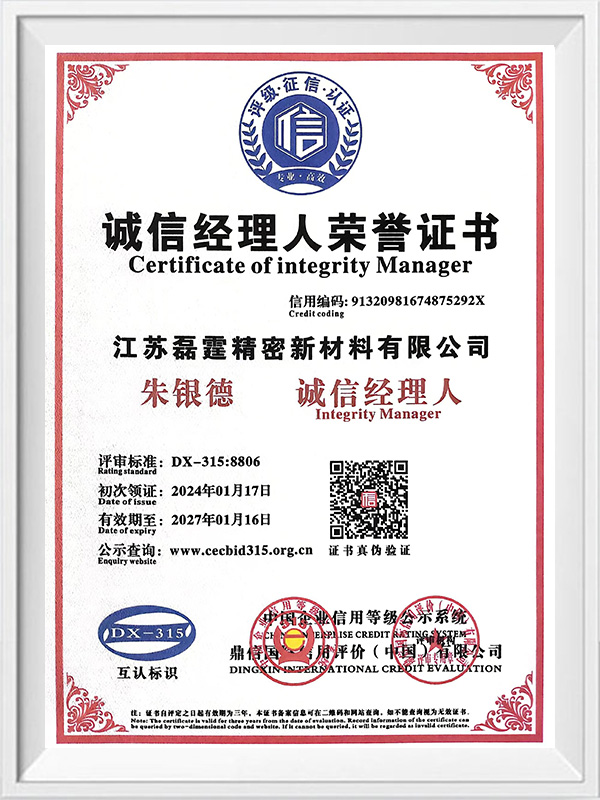
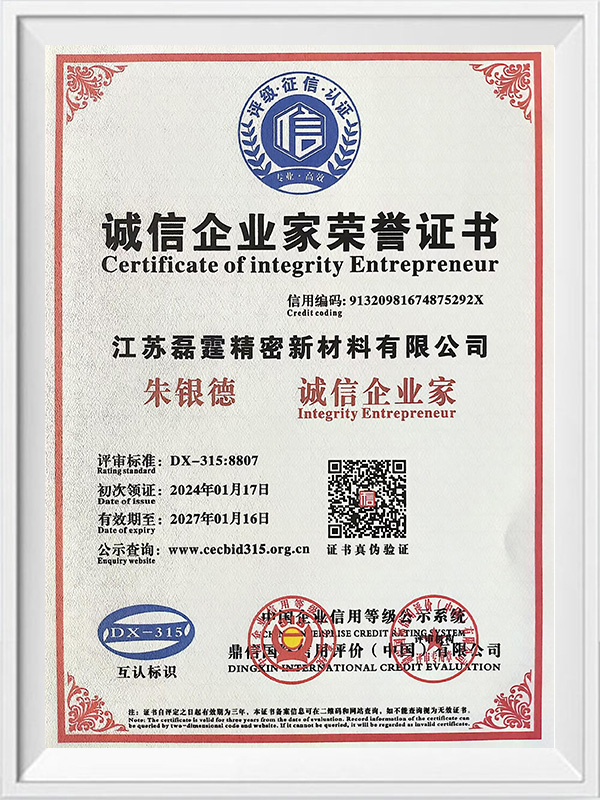
اطلاعات شرکت
آدرس: شماره 55 جاده هایچوان، منطقه فناوری پیشرفته، شهر دانگ تای، استان جیانگ سو، چین
موبایل: +86 137 7009 5258
تلفن: +86-515-85479999
ایمیل: [email protected]
ما مشتاق شنیدن نظر شما هستیم!
